


Interventional Glaucoma
Interventional Glaucoma
Get ahead of glaucoma with treatments that protect your vision and lighten the load of daily eye drops.
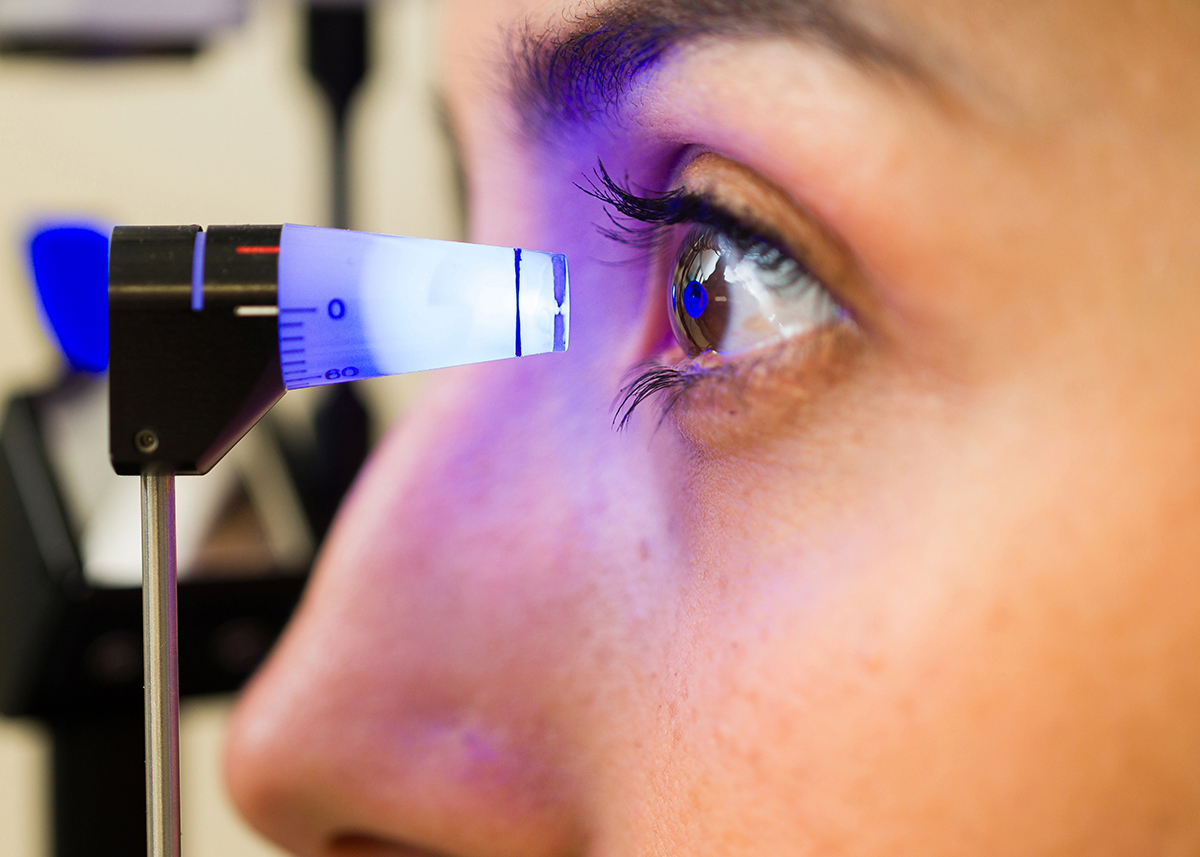
Depending on the treatment plan we create together, interventional glaucoma may offer:
- Fewer daily eye drops, or none at all
- Steadier eye pressure for your day to day
- Freedom from the cycle of refills, reminders, and missed doses
- Earlier optic nerve protection

What Is Interventional Glaucoma?
For decades, glaucoma care started with one eye drop, added more as the years went by, and surgery was only considered once the disease had advanced. Drops still have an important place in treatment, and many patients do well with them. What has changed is the timing. Interventional glaucoma brings proven, durable treatments into the picture sooner, so we stay a step ahead of the disease instead of responding after damage has occurred.
Interventional glaucoma is a specific approach to glaucoma care, rather than one treatment. It favors gentle, early procedures and long-lasting medication delivery instead of a drop routine that never ends. It is based on the idea that lowering eye pressure early and keeping it stable gives patients the best chance of preserving their vision over a lifetime.
The Problem With a Lifetime of Drops
Eye drops are the starting point for most glaucoma patients, and they are very effective at lowering pressure. The challenge is usually centered around the excess effort it takes to use that medication perfectly, every day, for years.
Ongoing Costs: Prescription refills and copays add up month after month, and over many years of treatment the total can be far higher than patients expect.
Side Effects: Drops can cause burning, redness, dryness, or temporary blurry vision. With long-term use, some can also change the appearance of the eyelids, lashes, or the skin around the eyes.
Keeping Up Every Day: Glaucoma drops only work when they're used exactly as prescribed, often once or more each day for life. Hectic schedules, multiple bottles, travel, forgetfulness, and trouble getting the drop into the eye all lead to more missed doses than most people realize.
Missing Doses: Skipping drops lets eye pressure climb, even if only for a short time. Those spikes can quietly damage the optic nerve, and glaucoma rarely causes symptoms that would alert you to the problem.
Drops are still the right choice for many. But when they become difficult to manage, no longer control pressure, or simply don't fit your lifestyle, interventional glaucoma treatment gives you another path forward.
Are You a Candidate for Interventional Glaucoma Treatment?
Interventional glaucoma treatment may be a good fit if:
- You have mild to moderate glaucoma
- You find it hard to use eye drops consistently
- Your drops cause side effects that bother you
- You'd like to reduce or eliminate the need for medication
- You're planning cataract surgery and want to treat both conditions together
- You want to take an active role in protecting your vision for the future
The best way to know for sure is a complete glaucoma evaluation with one of our eye doctors. After examining your eyes, we'll walk you through your options in clear, simple terms and recommend the plan that best fits your eyes, your lifestyle, and your goals.
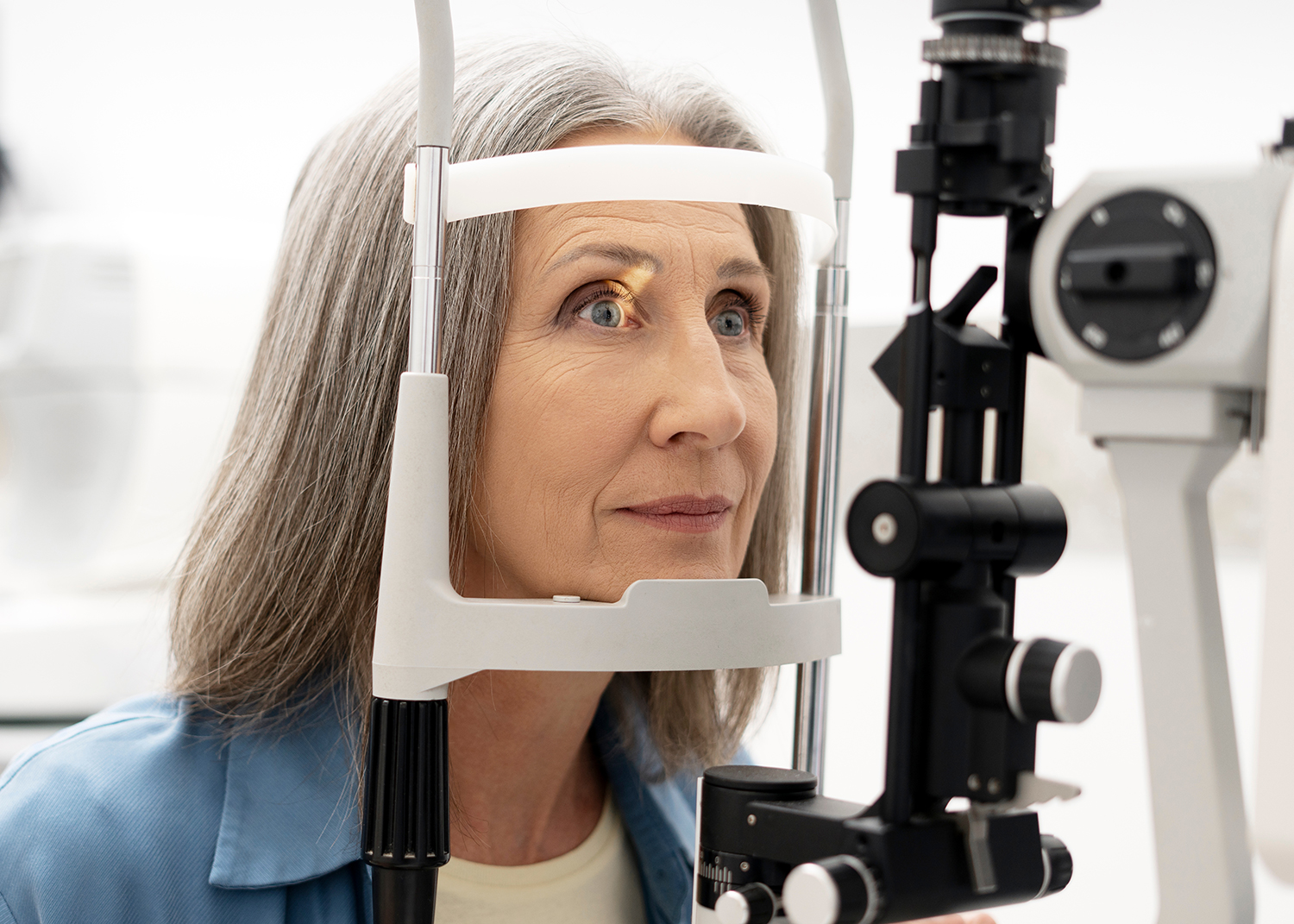
Meet Your Glaucoma Specialists
Our experienced physicians partner with you at every step, from your first glaucoma evaluation through treatment and long-term monitoring.







Frequently Asked Questions
Will I still need eye drops after treatment?
It depends on your eyes and the type of glaucoma you have. Some patients no longer need drops at all, while others need fewer than before. Glaucoma is a lifelong condition, so regular follow-up visits remain essential to ensuring pressure stays on target.
What makes interventional glaucoma different from traditional treatment?
Traditional care usually adds more drops over time and saves procedures for later stages. Interventional glaucoma uses laser treatment, sustained-release medication, and MIGS, which can lead to steadier pressure control, less dependence on daily drops, and earlier protection for the optic nerve.
Are these procedures safe?
Interventional glaucoma treatments are designed to be minimally invasive and have strong safety records. Many are performed in the office or during cataract surgery, and recovery is typically quick. As with any medical procedure, there are some risks, and your eye doctor will review them with you before you decide on treatment.
Can glaucoma treatment be done at the same time as cataract surgery?
Yes. Procedures such as the Hydrus Microstent and ELIOS are performed during cataract surgery, allowing you to treat both conditions with a single procedure and one recovery period. If you're planning cataract surgery, ask your doctor whether a combined approach makes sense for you.

A Better Approach to Glaucoma Care
Glaucoma is a lifelong condition, but it doesn't have to take over your life.
When it's treated early and proactively, our team can bring your pressure under control before the disease progresses, help preserve more of your vision, and build a treatment plan that works with your daily routine rather than against it.
North Georgia Eye Associates is proud to offer patients in Gainesville, Braselton, Clayton, Cornelia, Hamilton Mill, Cumming, and the surrounding communities a modern approach to glaucoma care.
Get Started — Schedule your glaucoma evaluation at North Georgia Eye Associates today!


